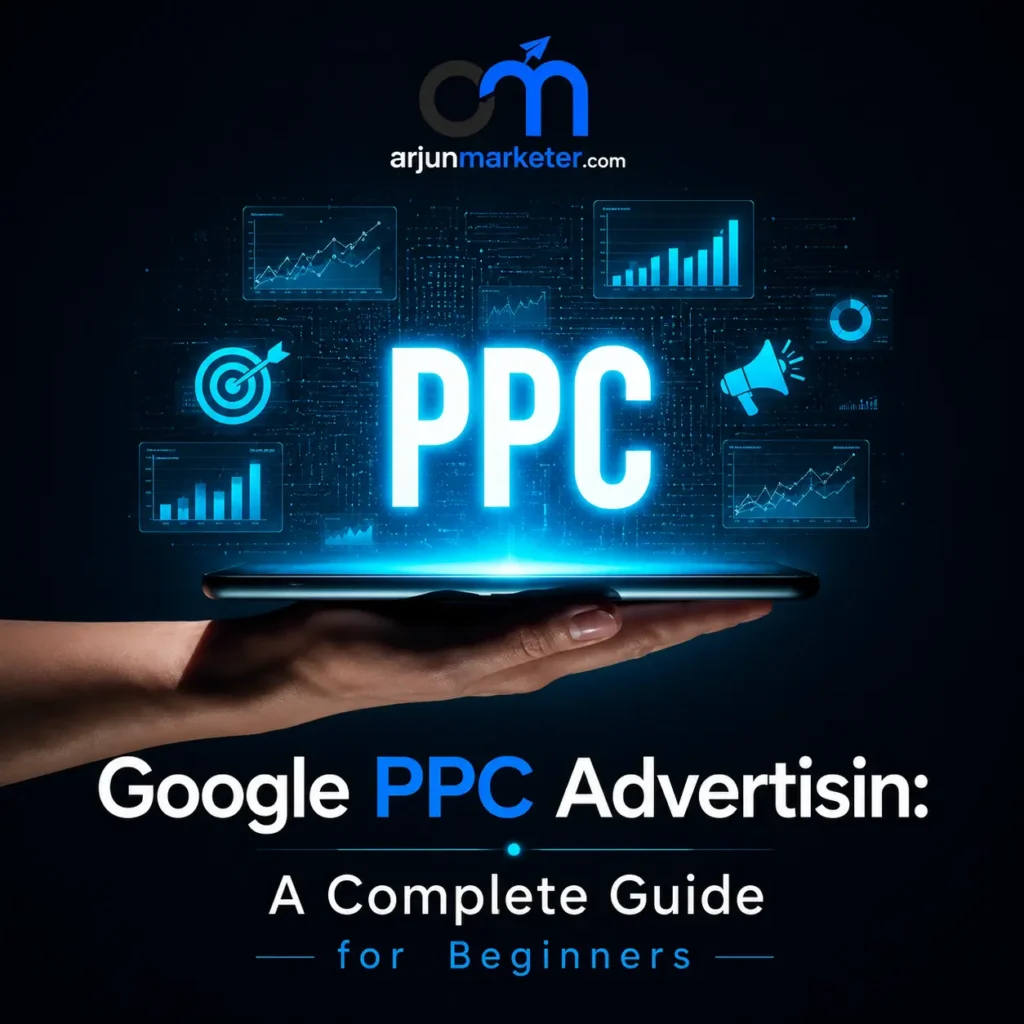
Google PPC Advertisin: A Complete Guide for Beginners
Introduction
Google PPC advertising is one of the fastest and most effective ways to grow a business online. PPC stands for “Pay-Per-Click,” which means advertisers only pay when someone clicks on their ad. Businesses use Google PPC ads to appear at the top of search results and reach customers who are actively searching for products or services.
Today, companies of all sizes use Google PPC advertising to increase website traffic, generate leads, boost sales, and improve brand awareness. Whether you own a small business or run a large company, PPC advertising can help you reach the right audience quickly.
What is Google PPC Advertising?
Google PPC advertising is an online advertising method where businesses bid on keywords related to their products or services. These ads appear on Google Search, YouTube, websites, and mobile apps through Google Ads.
For example, if someone searches for “best digital marketing course,” Google may display sponsored ads at the top of the search results. Advertisers pay only when users click on the ad.
This makes PPC advertising highly targeted because businesses can reach people who are already interested in their services.
How Google PPC Advertising Works
Google PPC advertising works through an auction system. Advertisers choose keywords and place bids on them. When users search for those keywords, Google decides which ads to show based on:

- Keyword relevance
- Bid amount
- Ad quality
- Landing page experience
- Expected click-through rate
The better the quality of the ad and landing page, the better the chances of appearing in top positions.
Benefits of Google PPC Advertising
Instant Website Traffic
Unlike SEO, which may take weeks or even months to generate noticeable traffic, PPC advertising delivers instant visibility and faster results. Once a campaign is launched, ads can immediately appear on search engines and social media platforms, helping businesses attract visitors within a short time. This makes PPC advertising an effective strategy for companies that want quick leads, increased website traffic, and faster conversions. It also allows marketers to target specific audiences, control budgets, and measure campaign performance in real time.
Targeted Audience Reach
Businesses can target users based on:
- Location
- Age

- Device
- Interests
- Search behavior
This helps advertisers reach the most relevant audience.
Budget Control
Google Ads allows businesses to control their advertising costs by setting daily and monthly budgets. Companies can begin with a small investment and gradually increase spending as their campaigns generate better results. This flexibility helps businesses manage expenses effectively while improving ad performance and reaching more potential customers.
Measurable Results
PPC campaigns provide detailed performance reports such as:
- Clicks
- Impressions
- Conversion rates
- Cost per click
- Return on investment
- Clicks
This helps businesses improve campaigns and reduce wasted spending.
Types of Google PPC Ads
Search Ads
These ads appear on Google search results when users search for specific keywords related to a business or product. They help companies reach potential customers at the exact moment they are looking for information, services, or products online. Google Search Ads are highly effective for increasing website traffic, leads, and sales quickly.
Display Ads
Display ads appear on websites, apps, and blogs that are part of the Google Display Network.
These ads use images, banners, and videos to attract users and increase brand awareness.
Businesses use display ads to reach audiences while they browse content online..
Shopping Ads
Shopping ads display product images, prices, and store information directly in Google search results.
They help customers compare products quickly before visiting a website.
These ads are highly effective for eCommerce businesses because they attract buyers with clear product details and visuals.
App Promotion Ads
These ads help businesses increase app downloads and user engagement.
They promote mobile applications across Google Search, YouTube, Google Play, and other platforms.
App ads are useful for reaching targeted users and encouraging more installs, clicks, and in-app activity.
Important PPC Advertising Terms
Keywords
Keywords are words or phrases that users type into Google and other search engines to find information, products, or services online. In digital marketing, keywords help advertisers and website owners understand what people are searching for. Choosing the right keywords is important because it helps businesses reach their target audience, improve website traffic, and increase the chances of conversions.
CPC (Cost Per Click)
Cost Per Click (CPC) is the amount advertisers pay each time a user clicks on their online advertisement. It is a common pricing model used in platforms like Google Ads, where businesses only pay when someone interacts with their ad. CPC helps advertisers control their advertising budget while measuring the effectiveness of their campaigns and keyword performance.
CTR (Click-Through Rate)
Click-Through Rate (CTR) measures the percentage of users who click on an advertisement after seeing it online. It is an important metric in digital marketing because it shows how effective and relevant an ad is to the target audience. A higher CTR usually indicates that the ad content, keywords, and design are attracting user attention successfully.
Conversion
A conversion happens when a user completes a desired action after interacting with an advertisement or website. This action can include purchasing a product, signing up for a newsletter, downloading an app, or filling out a contact form. Conversions are important in digital marketing because they help businesses measure the success and effectiveness of their advertising campaigns.
Quality Score
Google gives advertisements a Quality Score based on factors such as keyword relevance, ad quality, and landing page experience. This score helps determine how well an ad matches the user’s search intent and overall experience. A higher Quality Score can improve ad rankings, increase visibility, and reduce advertising costs in platforms like Google Ads.
Tips for Successful Google PPC
Campaigns
Choose the Right Keywords
Using relevant keywords with strong search intent helps businesses reach users who are actively looking for specific products or services. Long-tail keywords, which are more detailed and specific search phrases, often attract highly targeted audiences with a greater chance of conversion. They also usually have lower competition and lower advertising costs, making them effective for improving campaign performance and return on investment.
Write Strong Ad Copy
Create clear and attractive headlines with strong calls-to-action such as:
- Buy Now

- Learn More
- Get Started
- Contact Us Today
- Buy Now
Landing pages should load quickly to provide a smooth user experience and reduce bounce rates.
They should also look professional and easy to navigate to build trust with visitors.
Matching the landing page content with the advertisement helps improve conversions and user satisfaction.
Monitor Campaign Performance
Regularly tracking campaign results helps businesses understand ad performance and audience behavior.
Analyzing important metrics like clicks, conversions, and CTR can identify areas that need improvement.
Improving underperforming ads helps increase campaign effectiveness and achieve better marketing results.
Use Negative Keywords
Negative keywords prevent advertisements from appearing in unrelated or irrelevant search results.
They help businesses avoid wasting money on clicks from users who are not interested in their products or services.
Using negative keywords improves ad targeting, increases campaign efficiency, and helps save advertising budget.
Common Mistakes in Google PPC Advertising
Many beginners make mistakes such as:

- Targeting broad keywords
- Ignoring mobile
- optimization
- Not tracking conversions
- Sending traffic to poor landing pages
- Using weak ad copy
Avoiding these mistakes can improve campaign performance significantly.
Future of Google PPC
Advertising
Google PPC advertising continues to evolve with the growth of AI and automation technologies. Features like smart bidding, AI-generated ads, and advanced audience targeting help businesses create more efficient, personalized, and high-performing campaigns. At the same time, companies are increasingly focusing on mobile advertising, video ads, and local search campaigns to connect with customers more effectively across different digital platforms and devices.
Conclusion
Google PPC advertising is a powerful digital marketing strategy that helps businesses increase visibility, attract targeted traffic, and generate sales quickly. Through Google Ads, businesses can show ads to users searching for related products or services online. With proper keyword research, strong ad copy, and regular optimization, PPC campaigns can deliver excellent results and improve return on investment. Features like smart bidding, audience targeting, and mobile advertising make campaigns more effective and personalized. As online competition continues to grow, learning Google PPC advertising has become an important skill for marketers, freelancers, and business owners who want to succeed in digital marketing.